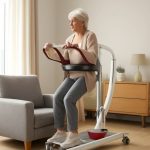
Caregiving often involves physically demanding tasks that put both the patient and the caregiver at risk of injury. For individuals who have some lower body strength but lack the stability to rise independently from a seated position, traditional manual transfers are inefficient and dangerous. This is where specialized rehabilitation equipment bridges the gap between total dependence and full mobility. A physiological lift designed for standing transfers is not merely a convenience; it is a critical tool for maintaining dignity, preserving muscle function, and preventing workplace injuries among healthcare staff. When you search for a sit to stand lift for sale, you are investing in a system that promotes active patient participation while providing mechanical security. Unlike full-body sling lifts which require passive lifting, these devices allow the patient to bear weight through their legs, engaging their core and lower extremities. This active involvement is crucial for rehabilitation protocols and helps prevent muscle atrophy. For home care environments and long-term care facilities alike, having the right model significantly reduces the physical toll on caregivers, decreasing the risk of back strain and cumulative trauma disorders. The market offers a variety of models, from battery-powered units with electric height adjustment to manual hydraulic versions for lighter duty use. Understanding the mechanics of these lifts is the first step toward making a purchase that enhances safety protocols and improves the quality of life for everyone involved in the transfer process.
Assessing Patient Needs and Lift Mechanics for Optimal Transfer Safety
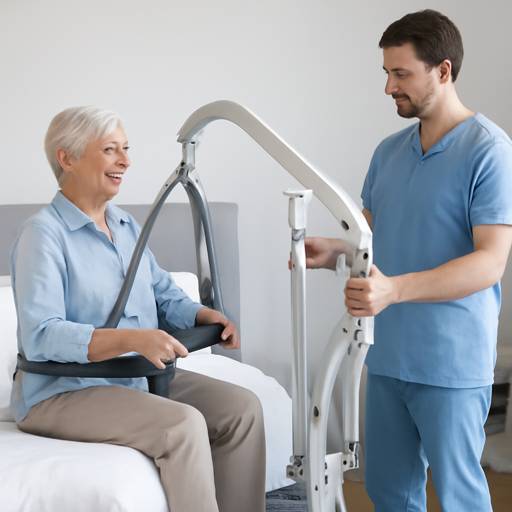
Before reviewing inventory for a sit to stand lift for sale, it is imperative to conduct a thorough assessment of the patient’s physical capabilities and the specific transfer environment. These lifts are designed for individuals who can bear weight on their legs and have some trunk control. A patient who requires complete passive lifting or is non-weight-bearing is not a candidate for this type of equipment. The mechanism of a sit-to-stand lift typically involves a patient sitting on a platform or sling seat. A knee pad stabilizes the lower extremities, preventing the knees from buckling forward. As the lift is activated, either via a hydraulic pump or an electric actuator, the patient is drawn forward and upward into a standing posture. The key differentiator between various models is the weight capacity and the spread range of the base. Wider bases provide greater stability for larger patients or transfers from wider chairs, while narrower bases are essential for maneuvering through doorways and around tight bathroom spaces. Rehab professionals recommend looking for lifts with a minimum of 400 lbs capacity for institutional use, though home models may have lower thresholds. Furthermore, the design of the sling or vest is critical for pressure redistribution and comfort. A poorly fitting vest can cause chafing or create pressure points under the arms. Many modern lifts utilize a padded vest that wraps around the patient’s torso, offering both security and comfort. When evaluating a unit for sale, test the smoothness of the lifting mechanism. Erratic or jerky movements can startle a patient and induce anxiety, making the transfer more difficult. A qualified physical therapist should be involved in the selection process to ensure the lift matches the patient’s specific range of motion and weight distribution. Additionally, consider the floor surface. Loop pile carpets can interfere with the rolling casters of mobile lifts, while hard floors allow for easier maneuvering. For patients in a hospital bed, ensure the lift can slide underneath the frame. Many models now feature an integrated scale for weighing the patient during the transfer, adding a layer of clinical utility to the daily routine.
Key Features to Evaluate When Comparing Sit to Stand Lift Models
When browsing listings for a sit to stand lift for sale, the specification sheet can be overwhelming. However, focusing on a few critical features ensures you select a durable and functional device. The first consideration is the power system. Electric lifts, powered by rechargeable batteries, offer smooth, hands-free operation, which is ideal for caregivers who perform multiple transfers daily. These units often include emergency hand controls and backup manual lowering systems in case of power failure. Manual hydraulic lifts, while less expensive, require the caregiver to pump the patient up using a lever. This physical effort can be fatiguing over time, but they are extremely reliable and do not depend on battery charge status. For a home care scenario with infrequent use, a manual lift may be perfectly adequate. Another critical component is the casters and base design. Look for locking casters on all four legs to prevent the lift from rolling during the transfer. Larger diameter wheels (usually 4 to 5 inches) roll more easily over thresholds and flooring transitions. The knee pad should be padded and adjustable in height. A knee pad that sits too high or too low can cause discomfort or prevent the patient from achieving a stable standing posture. The footplate is often overlooked but is vital. It should be wide enough to accommodate the patient’s feet comfortably and should fold up out of the way for storage. Some advanced models offer a sit-to-stand sling that is designed to be left in place under the patient while they are seated, simplifying the transfer process. However, for long-term sitting, a separate cushion might be needed for comfort. Durability is reflected in the frame material. Heavy-duty steel frames coated with a medical-grade powder finish resist chipping and corrosion. Check the manufacturer’s warranty as well. A standard warranty should cover the frame for several years, with a shorter warranty on electrical components. Finally, do not overlook the portability of the device. If the lift needs to be transported between rooms or homes, look for models that break down into two or three pieces without tools. This feature is invaluable for field sales representatives or for patients who travel between a primary residence and a vacation home. Remember, a well-built lift is an investment in safety, and cutting corners on essential features often leads to frustration and higher long-term costs.
Real-World Applications and Implementation Success Stories in Long-Term Care
To truly understand the value of a sit to stand lift for sale, it helps to examine how these devices function in real clinical settings. Consider the case of a suburban skilled nursing facility that transitioned from manual lifting protocols to a universal sit-to-stand lift program. Prior to the change, the facility reported an average of six staff injuries per year related to transferring residents from wheelchairs to shower chairs. After adopting a fleet of twelve sit-to-stand lifts, the injury rate dropped to zero over an eighteen-month period. Staff reported feeling more confident and less fatigued at the end of their shifts. The key to their success was staff training on proper vest application and lift positioning. They learned that taking an extra ten seconds to adjust the knee pad and footplate saved minutes of struggle during the transfer. Another powerful application is in home hospice care, where preserving the patient’s dignity and promoting comfort is paramount. One home health aide described a scenario where a patient with ALS could still stand for a few seconds with support. Using a lightweight sit-to-stand lift allowed the patient to help transfer onto a commode chair, maintaining their privacy and reducing the anxiety associated with being fully hoisted. The device also allowed the caregiver to change the patient’s bed linens independently, without requiring a second helper. In post-operative orthopedic rehab, these lifts are invaluable. After total hip or knee replacement, patients must follow strict weight-bearing restrictions. The lift provides the stability needed to initiate standing without compromising the surgical site. In a documented case at a Denver rehab clinic, patients who used a sit-to-stand lift during early recovery regained standing balance 30% faster than those who relied solely on manual assistance. The reason is that the lift provides a constant, reliable counterbalance, allowing the patient to focus on engaging their muscles rather than fearing a fall. For bariatric patients, specialized heavy-duty models with reinforced frames and wider slings prevent skin tears and provide the necessary safety margins during what can be a high-risk transfer. These real-world examples underscore that purchasing a sit-to-stand lift is not just about acquiring hardware; it is about implementing a system that improves outcomes, reduces liability, and respects the human dignity of the patient. When you are ready to make a purchase, exploring a reputable supplier like sit to stand lift for sale allows you to review models that have been vetted for clinical efficacy and long-term reliability.