Clear Ears, Clear Life: Expert Ear Wax Removal in Auckland for All Ages
About :
We are a team of passionate people who love what we do and care about hearing health. Our vision is to ensure children and adults have access to good hearing services to achieve their full potential in life. We are experienced audiologists who are registered full members of the New Zealand Audiological Society (MNZAS). Since graduating from the University of Auckland, we have both worked in a large audiology company in several clinics around Auckland. We have worked extensively with adults, children, and in specialised areas of audiological testing. We both have experience as clinic managers and supervisors. As independent audiologists, we aim to provide the best quality of care for every person and every family, ensuring that our clinical decisions and recommendations are best for you.
Safe, Professional Ear Wax Removal: Methods, Benefits, and What to Expect
Ear wax (cerumen) is a natural protective substance produced by the ear canal, but when it accumulates it can cause discomfort, hearing reduction, tinnitus, or infections. Understanding safe removal methods helps people avoid common mistakes like using cotton swabs, which can push wax deeper and risk damaging the eardrum. Professional removal focuses on restoring hearing and comfort with minimal trauma.
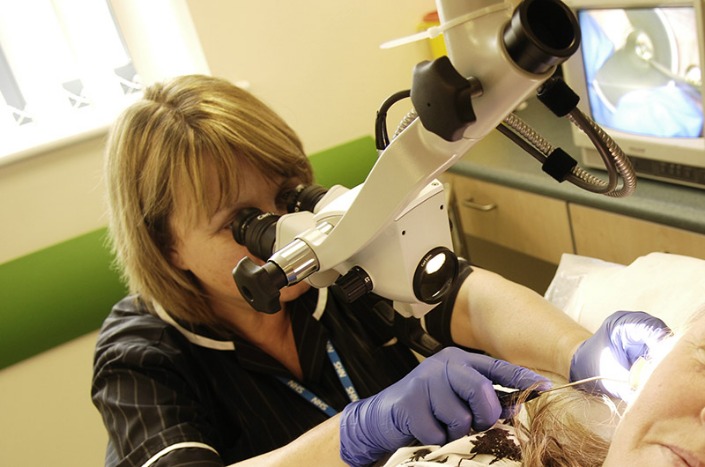
Common clinical methods include microsuction, gentle irrigation (syringing) and manual removal using specialised instruments under direct visualization. Microsuction is widely regarded as the safest modern approach because it uses a suction device with a microscope or otoscope for direct visualization, reducing the risk of injury and allowing removal of both soft and hardened wax. Irrigation can be effective for softer impactions but requires careful technique to avoid pressure-related problems, and manual removal is useful when an audiologist can clearly see and extract wax with fine tools.
When you book a professional appointment you can expect an initial assessment of ear health and hearing, including inspection of the ear canal and tympanic membrane. A history of symptoms and any hearing aid use or ear surgery will guide the chosen method. The process is typically quick, often completed in 15–30 minutes, and performed with sterile instruments. Aftercare advice will include how to keep the canal dry, when to return for follow-up, and signs of infection to watch for. Prioritising safety and evidence-based practice helps minimise complications and preserves long-term hearing health.
Why Choose Registered Audiologists for Ear Wax Removal in Auckland
Choosing a registered audiologist means selecting practitioners with formal training, clinical experience, and adherence to professional standards. Registered full members of the New Zealand Audiological Society (MNZAS) are accountable to a code of practice and maintain up-to-date skills in ear care and audiological assessment. This is particularly important for vulnerable groups such as young children, older adults, and people with hearing devices where improper techniques can have lasting consequences.
Professional services offer a comprehensive approach: precise assessment, safe removal, and tailored recommendations for prevention. Audiologists can differentiate between wax-related hearing loss and other causes, and they can perform diagnostic testing if symptoms suggest middle ear disease, sensorineural loss, or other conditions. For Auckland residents seeking convenient, trusted care, consider professional options that combine clinical expertise with patient-centred service—bookings and local information are available through Ear Wax Removal Auckland to make access straightforward and reliable.
Another benefit of seeing an audiologist is continuity of care. Audiologists can advise on long-term management for recurrent impaction, provide hearing aid maintenance guidance, and coordinate with general practitioners or ENT specialists when necessary. Their clinics often use modern equipment like high-resolution otoscopy and microsuction units, ensuring both effective treatment and peace of mind. Emphasising prevention, education, and gentle clinical technique results in better outcomes and fewer repeat visits.
Case Studies, Practical Advice, and Aftercare: Real-World Examples from Auckland Clinics
Case study 1: A school-aged child presented with reduced classroom engagement and unclear hearing on one side. Clinical inspection revealed significant wax impaction. Using microsuction under otoscopic guidance, the audiologist removed the obstruction, and a post-procedure hearing check confirmed a return to baseline thresholds. Teachers reported improved participation within days. This highlights how timely intervention can restore learning potential and reduce misdiagnosis of behavioural issues.
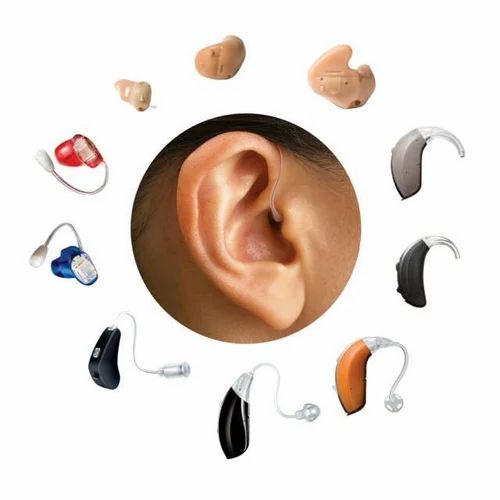
Case study 2: An older adult with long-term hearing aid use experienced persistent feedback and discomfort. Examination showed wax buildup around the device and a partially blocked canal. A combined approach of careful manual cleaning of the hearing aid and microsuction for the ear canal resolved the feedback. Follow-up counselling included ear hygiene tips and a simple maintenance schedule to prevent recurrence. This example demonstrates the importance of integrating device care with ear health management.
Practical aftercare advice for everyone includes avoiding insertion of cotton tips into the ear canal, keeping water out of the ear for a short period following removal, and monitoring for symptoms such as pain, discharge, or persistent hearing loss. If wax tends to recur, a clinician may recommend periodic reviews—every 6–12 months depending on risk factors—or the use of softening drops for home use as instructed. Recognising red flags such as severe pain, sudden hearing loss, dizziness, or bleeding should prompt immediate clinical review.
Prevention strategies are simple and effective: avoid inserting objects into the ear canal, protect ears when swimming if prone to infections, and schedule regular checks if you use hearing aids or have a history of impaction. Real-world experience from Auckland clinics shows that combining professional removal with clear aftercare guidance provides reliably better outcomes for patients of all ages.


Leave a Reply