What a Telescopic Belt Conveyor Is—and Why It Changes the Dock
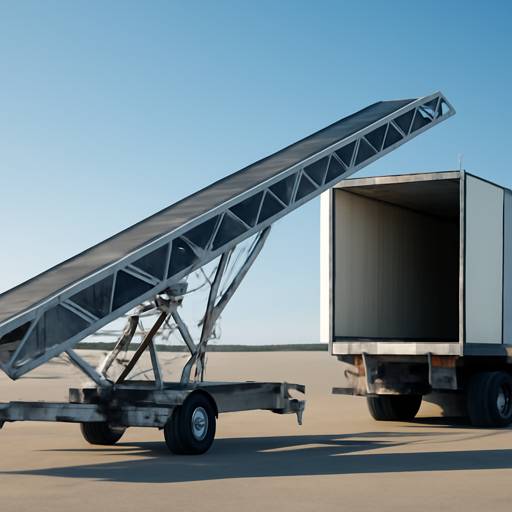
A telescopic belt conveyor is an extendable machine designed to move cartons, parcels, totes, and loose-loaded goods directly between a warehouse conveyor line and the inside of a van, rigid truck, or trailer. Multiple nested steel sections “telescope” forward into the vehicle while a powered belt carries items to the working face. The result is simple and powerful: less walking, fewer manual lifts, faster cycles, and higher dock productivity with far better ergonomics for teams.
Traditional loading and unloading relies on people carrying or rolling items deep into trailers—often 10 to 15 meters—before returning to the dock. Every meter walked is time lost and an ergonomic risk multiplied across thousands of touches. A telescopic conveyor for truck loading/unloading eliminates that waste by bringing the conveyor to the cartons. Operators can extend the boom, set a comfortable belt speed, and work from a safe, well-lit position while the system handles the horizontal transport.
Core components typically include a robust chassis, one to five telescoping sections, a durable belt tailored to the product mix, a drive with variable speed control, and an operator interface with forward/reverse, stop, and emergency functions. Advanced models add hydraulic or electric elevation, articulated “nose” sections for floor-level reach, integrated LED lighting inside the vehicle, and safety features such as anti-collision sensors and hold-to-run controls. For parcel-intensive operations—such as express delivery depots and cross-dock hubs—these enhancements translate to shorter dwell times at doors and higher trailer turn rates.
Beyond speed, the ergonomic benefit is substantial. By minimizing carrying and twisting inside trailers, a telescopic solution reduces fatigue and helps prevent strains. This is vital in high-growth sectors like warehousing and cross-border logistics, where peaks are sharper and labor availability fluctuates. Even modest layout changes—adding a telescopic unit to each busy door—can streamline the flow of inbound returns, outbound e-commerce orders, and B2B replenishment.
Many facilities standardize on a single, scalable platform to cover different vehicles and products. When evaluating choices, it helps to review proven categories and product families, such as a dedicated telescopic belt conveyor for truck loading unloading engineered for modern docks. This ensures you can configure reach, speed, and safety functions without sacrificing uptime or integration flexibility.
Key Specifications, Options, and Safety Features to Get Right
Choosing the right system starts with matching the physical stroke—the maximum in/out travel—to your fleet. For urban delivery vans, a shorter two- or three-section unit may suffice, while 40-foot trailer operations benefit from longer four- or five-section booms that reach deep into the vehicle. Belt width should reflect the largest carton footprint and the required throughput; 600–800 mm is common for parcels, while bulkier goods may require wider decks. Look for a load rating that accommodates both package weight and surge conditions, and specify variable speed so operators can accelerate on straight runs and slow down for fragile SKUs.
Elevation control is critical. A powered lift keeps the working height within ergonomic zones across vehicle types and dock heights. An articulated or gravity roller nose helps bridge the last meter to the floor or the far corner of a trailer, reducing bending and reaching. If multiple doors share one unit, consider a rail-mounted base or heavy-duty castors for easy relocation. Where docks handle mixed fleets or ISO containers, a swiveling base adds alignment flexibility to minimize side gaps and improve safety.
Integration matters as much as mechanics. Smooth handoffs to upstream conveyors, sorters, and accumulation zones prevent backpressure and carton gaps. Controls should support PLC integration, external interlocks with dock doors and vehicle restraints, and smart features like auto-return-to-home. For data-driven operations, options such as runtime counters, throughput metrics, and diagnostics simplify continuous improvement and maintenance planning.
Never compromise on safety. A best-practice specification includes emergency stop buttons at operator and base positions, a hold-to-run (dead-man) function for extension/retraction, anti-collision sensors at the boom tip, and guarding for nip points. Integrated LED lighting inside the trailer, audible/visual alarms during motion, and soft-start/soft-stop via VFDs further protect people and product. Where work platforms are fitted, ensure compliant rails and access steps. Verify that the system meets relevant standards (e.g., CE marking, UL where applicable) and adheres to machine safety performance levels.
Environmental resilience adds reliability. In hot/humid, dusty, or chilled environments, specify appropriate belt compounds, sealed bearings, corrosion protection, and IP-rated components. Noise attenuation and energy efficiency—via IE3/IE4 motors and intelligent idle modes—reduce operating costs. Maintenance-friendly details such as cassette-style belt changes, crowned pulleys for auto-tracking, centralized lubrication, and remote diagnostics shrink downtime windows. A well-chosen telescopic belt conveyor is not only fast; it’s serviceable, safe, and built for the real world.
Real-World Applications, ROI Math, and Operational Best Practices
Telescopic solutions shine anywhere trucks and trailers meet high-volume flows. E-commerce fulfillment centers dispatching hundreds of routes daily, express delivery hubs processing parcels around the clock, 3PL campuses with diverse client SKUs, and manufacturers shipping spare parts all benefit from reduced touches. In busy trade corridors—think ports, border crossings, and inland hubs handling cross-border logistics—extendable booms tame variability in vehicles, loads, and peak curves without sacrificing safety or floor space.
ROI is straightforward to model. Consider a dock that currently loads 900 cartons per hour with four operators across two doors, with significant walking and double-handling. A modern telescopic conveyor can raise sustainable output to 1,300–1,500 cartons per hour while reducing the team to three operators, depending on mix and process design. If each door turns trailers 30–40% faster, daily door capacity expands without adding bays, and detention charges drop. Typical payback ranges from 8 to 18 months when factoring savings from labor, fewer injuries, reduced product damage, and higher trailer turns—often faster in parcel-dense operations.
Practical examples underscore the gains. A regional courier depot shortened average unload time for inbound linehaul by 36% after introducing extendable booms with articulated noses and guided staging lanes. A retailer’s omnichannel DC rebalanced outbound flows by dedicating one telescopic unit per two doors during peak hours, lifting on-time carrier departures while cutting overtime. An automotive parts supplier used elevation-adjustable booms to keep heavy items in the ergonomic window, reducing strain claims and boosting first-hour productivity.
Process design amplifies the hardware advantage. Pre-stage by route and stop sequence to maintain continuous, single-piece flow. Set belt speeds that match the slowest constraint—often the trailer stack pattern or label scan rate—rather than running flat-out. Apply 5S at each door so scanners, tape, totes, and dunnage are always at hand. Use visual standards for carton build patterns inside trailers to minimize voids without overstacking. Train operators on safe extension, retreat, and emergency protocols; reinforce with short, daily start-up checks that include belt tracking, tip sensor function, lighting, and e-stops.
Planned maintenance keeps uptime high. Implement a simple cadence: quick pre-shift inspection and wipe-down; weekly cleaning of the boom interior to remove dust; monthly checks on belt tension, pulley alignment, and fasteners; quarterly review of drive components, sensors, and electrical terminations. Keep a spare-parts kit—belts, proximity sensors, key rollers, bearings, and light assemblies—on site to compress MTTR. For connected systems, leverage diagnostics and alerts to spot abnormal motor loads or repeated e-stop activations that may signal upstream flow issues.
Looking ahead, telescopic platforms are becoming smarter and more adaptable. Options such as auto-targeting to trailer noses, operator-assist vision, and load counting analytics improve consistency. Where needed, man-rider platforms and vacuum-assist lifters combine with the boom to handle heavier or fragile items safely. The most resilient operations select a modular, upgradeable base machine that can evolve with demand—so the same dock can support today’s fast parcel flows and tomorrow’s diversified, value-added services.