In a world where your digital presence often introduces you long before you walk into a room, the professional headshot has evolved from a simple photograph into a strategic career asset. It is the first handshake, the silent pitch, and the unspoken promise of your competence and character. Whether it sits on a LinkedIn profile, a corporate team page, a real estate flyer, or a speaker’s bio, your headshot does more than show what you look like. It broadcasts your approachability, confidence, and attention to detail in a fraction of a second. Recruiters, clients, and collaborators scan hundreds of profiles daily, and a blurry selfie or a cropped wedding photo can suggest a lack of professionalism, while a crisp, well-composed portrait signals that you take your personal brand seriously. This article unpacks what transforms a good headshot into a great one, explores how style shifts across professions, and reveals how to prepare so the camera captures the most authentic version of you.
Decoding the DNA of a Powerful Headshot
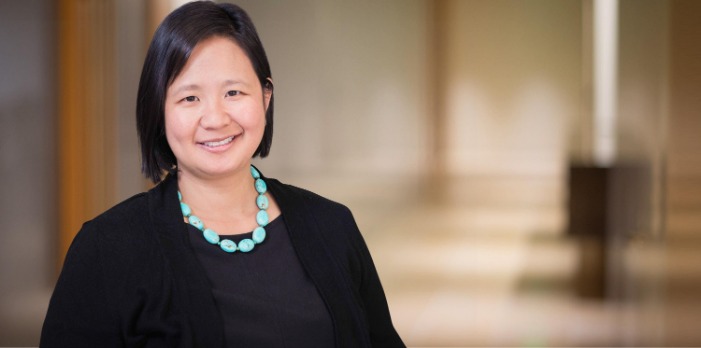
A compelling headshot is never an accident. It is built on a deliberate combination of expression, lighting, composition, and context, each element working together to transmit a precise emotional and professional signal. The first variable a viewer notices is the expression. The most memorable portraits convey approachability without sacrificing authority. A genuine, relaxed smile that reaches the eyes creates an immediate sense of trust, while a more subdued, confident gaze can project leadership and calm. The secret lies in micro-expressions—the split-second lift of a brow, the softness around the mouth—that a skilled photographer knows how to coax out through conversation rather than forced posing. When a subject is comfortable, the resulting image feels less like a performance and more like an invitation to connect.
Lighting acts as the invisible architect of mood. Soft, diffused natural light tends to flatter skin, minimize harsh shadows, and impart a sense of warmth and vitality, making it a popular choice for modern, approachable headshots. Studio lighting, on the other hand, can be shaped with incredible precision to emphasize jawlines, add drama, or create a crisp, high-contrast aesthetic often preferred in corporate or legal environments. The direction and quality of light fundamentally alter how the face is perceived, which is why a cookie-cutter setup rarely serves everyone. The background, too, is a silent storyteller. A clean, uncluttered backdrop places all the attention on the face, while an environmental headshot—taken in a workplace, a city street, or a natural setting—adds layers of context, hinting at your industry, creativity, or lifestyle. The best backgrounds support the narrative without distracting from it, often melting into a pleasant blur that highlights the subject.
Composition and cropping complete the frame. A headshot that cuts off at the top of the shoulders or mid-chest focuses intimately on expression, while a wider frame that includes a hand gesture or a hint of wardrobe can communicate personality and style. The angle of the camera relative to the eyes matters enormously. Shooting slightly above eye level tends to be flattering and engaging, while a lower angle can project power. Garment choices, color theory, and even the tilt of the head are calibrated to guide the viewer’s attention. When all these elements harmonize, a headshot becomes more than a picture—it becomes a brand statement. Investing in a professional Headshot session ensures that every technical and artistic decision is made with intention, so you never have to wonder whether your first impression is working for you or against you.
Which Headshot Style Matches Your Profession? A Sector-by-Sector Guide
There is no universal formula for the perfect headshot because different professions demand different visual dialects. A corporate executive generally benefits from a clean, authoritative portrait shot against a solid or subtly textured background. Dark suits, controlled lighting, and a direct, calm expression convey stability and leadership—qualities that reassure boards, shareholders, and high-level clients. In contrast, a creative entrepreneur or freelancer might lean into an environmental headshot that uses natural light, an interesting architectural backdrop, and a more relaxed pose. This style signals innovation, originality, and a personal brand that breaks the mold. Wardrobe choices here might include smart-casual textures and colors that reflect the artist’s palette. For those in healthcare and medical professions, warmth and empathy are paramount. A portrait in a white coat with soft, clinical lighting can communicate expertise, but the expression must radiate compassion—a slight, genuine smile paired with kind eyes assures patients that they are in caring hands.
Real estate agents and sales professionals often need a hybrid approach. Their headshots should feel polished yet accessible, frequently taken outdoors or in a well-lit urban setting to suggest energy, community connection, and trustworthiness. A bright, sunny image with a friendly smile can be the deciding factor when a potential client is scrolling through listings, looking for someone they feel comfortable calling. Meanwhile, actors and performers operate in a completely different visual ecosystem. Their headshots are not just about personality but about type and range. An actor might need multiple looks—a serious dramatic shot, a warm commercial smile, and a gritty, character-driven portrait—each designed to catch a casting director’s eye within seconds. These images require meticulous attention to natural expression, often stripped of heavy makeup and elaborate backgrounds, so the raw human connection shines through.
In a dynamic market like Orlando and Central Florida, the professional landscape is exceptionally varied. From the high-tech corridors of Lake Nona’s Medical City and the aerospace innovators on the Space Coast to the hospitality giants on International Drive and a booming community of digital nomads, the breadth of industries demands an equally versatile approach to personal branding. A software developer pitching a startup on Sand Lake Road might opt for a creative, approachable headshot that balances intellect with warmth, while a hotel executive welcoming international guests will lean toward polished sophistication. Understanding these nuances allows a headshot to speak the right language before a single word is exchanged. No matter your field, a tailored Headshot captures the essence of your brand, blending context, wardrobe, and lighting into a single frame that works as hard as you do.
From Wardrobe to Confidence: How to Prepare for a Headshot Session That Reflects the Real You
Preparation is the bridge between a stiff, forgettable photo and a portrait that stops the scroll. The goal is not to transform into someone else but to present the most polished, authentic version of yourself. Wardrobe is the natural starting point. Solid, medium-toned colors like navy, charcoal, teal, or burgundy photograph beautifully without fighting for attention. Busy patterns, loud logos, and overly bright whites can draw the eye away from the face or create exposure issues. It’s wise to bring multiple options to the session—something formal, something business-casual, and something that simply feels like you. Layers like a well-fitted blazer, a textured cardigan, or a subtle accessory add dimension and allow the photographer to create variety without changing the entire setup. When in doubt, iron or steam your clothing beforehand and check for loose threads, because high-resolution cameras see everything.
Grooming choices should elevate your natural features rather than mask them. For many, professional makeup artists are a worthwhile investment, not to create a dramatic transformation but to even out skin tone, reduce shine, and define features under bright lights. Hair should be styled in a way that feels familiar and comfortable; the day of a headshot session is not the time to experiment with a radical new cut or color. For men, a fresh shave or a neatly trimmed beard makes a significant difference. Jewelry should complement rather than overwhelm—small studs or a simple necklace add a point of interest without becoming the focal point. Rest, hydration, and a light meal before the shoot keep energy levels steady and skin looking fresh. If you wear glasses, consider lenses with anti-reflective coating or bring frames without lenses to eliminate glare.
Beyond the physical, mental preparation is what ultimately unlocks a natural expression. Many people feel anxious in front of a camera, and that tension shows up in raised shoulders, tight jaws, and forced smiles. The most impactful headshots happen when subjects feel at ease, which means working with a photographer who understands how to create a relaxed environment. Before the session, it helps to clarify what you want the image to communicate. If you are a therapist, you might aim for calm empathy; if you are a trial attorney, you might prioritize quiet strength. Spend a few minutes in front of a mirror noticing how subtle shifts in your eyebrows or the corners of your mouth change your expression. Practice deep, slow breathing to center yourself. During the shoot, trust the process and focus on the conversation rather than the lens. A photographer who excels at capturing unscripted moments will guide you with gentle prompts, draw out genuine laughter, and let your personality surface naturally. When you feel seen rather than posed, the resulting headshot will resonate with a truth that no amount of retouching can replicate.